
Quick Answer
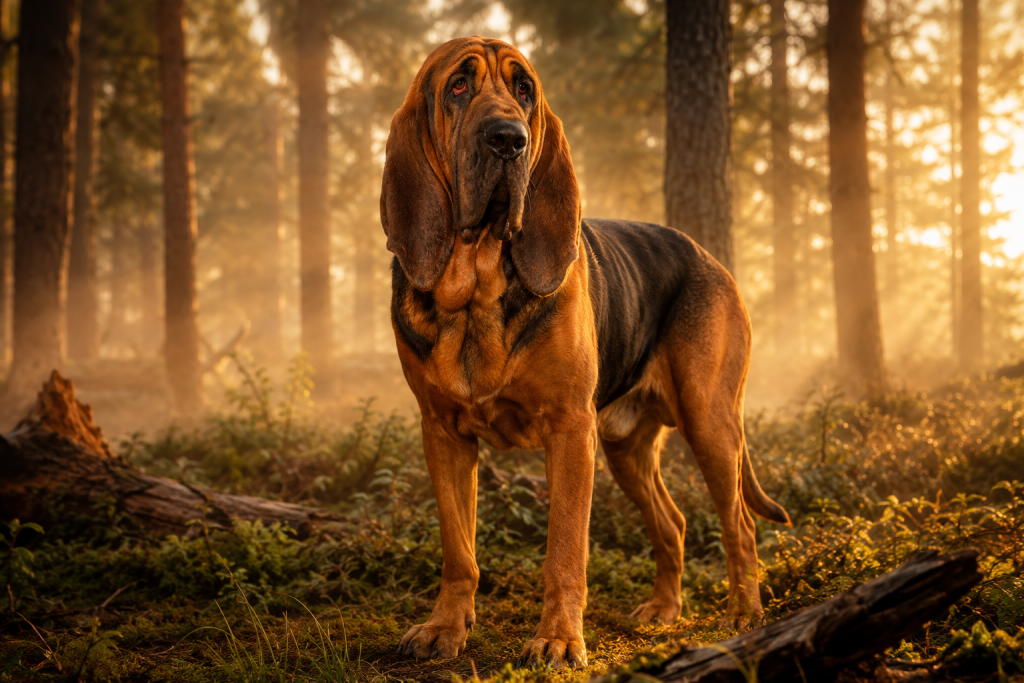
The Bloodhound is a large scent hound renowned for having the most powerful nose in the canine world. Originally bred for hunting deer and wild boar, these dogs now serve as elite tracking partners for law enforcement and search-and-rescue teams. With their droopy ears, wrinkled faces, and gentle demeanor, Bloodhounds make loyal family companions for owners who can manage their size, stubbornness, and grooming needs.
Key Takeaways
- Bloodhounds possess roughly 300 million scent receptors, making them the most accurate tracking dogs alive
- Males weigh 90-110 pounds and stand 25-27 inches tall; females are slightly smaller
- They have a gentle, affectionate temperament but can be stubborn and independent
- Bloodhounds require consistent, positive reinforcement training starting from puppyhood
- Common health issues include hip dysplasia, bloat, and ear infections
- Their average lifespan is 10-12 years
- Bloodhounds need moderate grooming, especially for their ears and facial wrinkles
- They are not ideal apartment dogs due to their size and exercise needs
- A Bloodhound puppy typically costs $700-$1,500 from a reputable breeder
- Their famous long ears help sweep scent particles toward their nose
What Is a Bloodhound Dog Breed?
The Bloodhound is a large, powerful scent hound originally bred in medieval Europe to track deer, boar, and people. The name comes from “blooded hound,” meaning a dog of aristocratic breeding, and these dogs were prized by nobility for their unmatched tracking ability.
Bloodhounds have a distinctive appearance: loose, wrinkled skin; deep-set eyes; long, drooping ears; and a short, dense coat that comes in black and tan, liver and tan, or red. They stand out not just for looks but for their extraordinary olfactory system. A Bloodhound’s nose contains approximately 300 million scent receptors, compared to about 5 million in humans.
In 2025, a one-year-old Bloodhound named Max was donated to the Brevard County Sheriff’s Office in Florida to help locate missing persons, particularly individuals with dementia [1]. Bloodhounds also played a key role in the manhunt for fugitive Grant Hardin in Arkansas in 2025, demonstrating their real-world tracking value even in challenging weather conditions [2].
These dogs are classified in the Hound Group by major kennel clubs and are considered one of the oldest hunting breeds still in existence today.
How Big Do Bloodhounds Get?
Bloodhounds are large dogs. Adult males typically weigh 90-110 pounds and stand 25-27 inches tall at the shoulder. Females are slightly smaller, weighing 80-100 pounds and standing 23-25 inches tall.
Growth Timeline:
- 8 weeks: 15-20 pounds
- 6 months: 50-70 pounds
- 12 months: 70-90 pounds
- 18-24 months: Full adult size
Bloodhounds grow rapidly but do not fully mature until around 18-24 months. Their bones, joints, and muscles need time to develop properly, so avoid strenuous exercise during the first year. Overfeeding a growing Bloodhound puppy can put excess stress on their joints and increase the risk of developmental orthopedic problems.
Choose this breed if you have the space for a large dog and can handle the physical demands of walking and managing a 100-pound canine companion. If you live in a smaller space, you might consider exploring low-energy dog breeds for seniors and retirees as an alternative.
Bloodhound Temperament and Personality
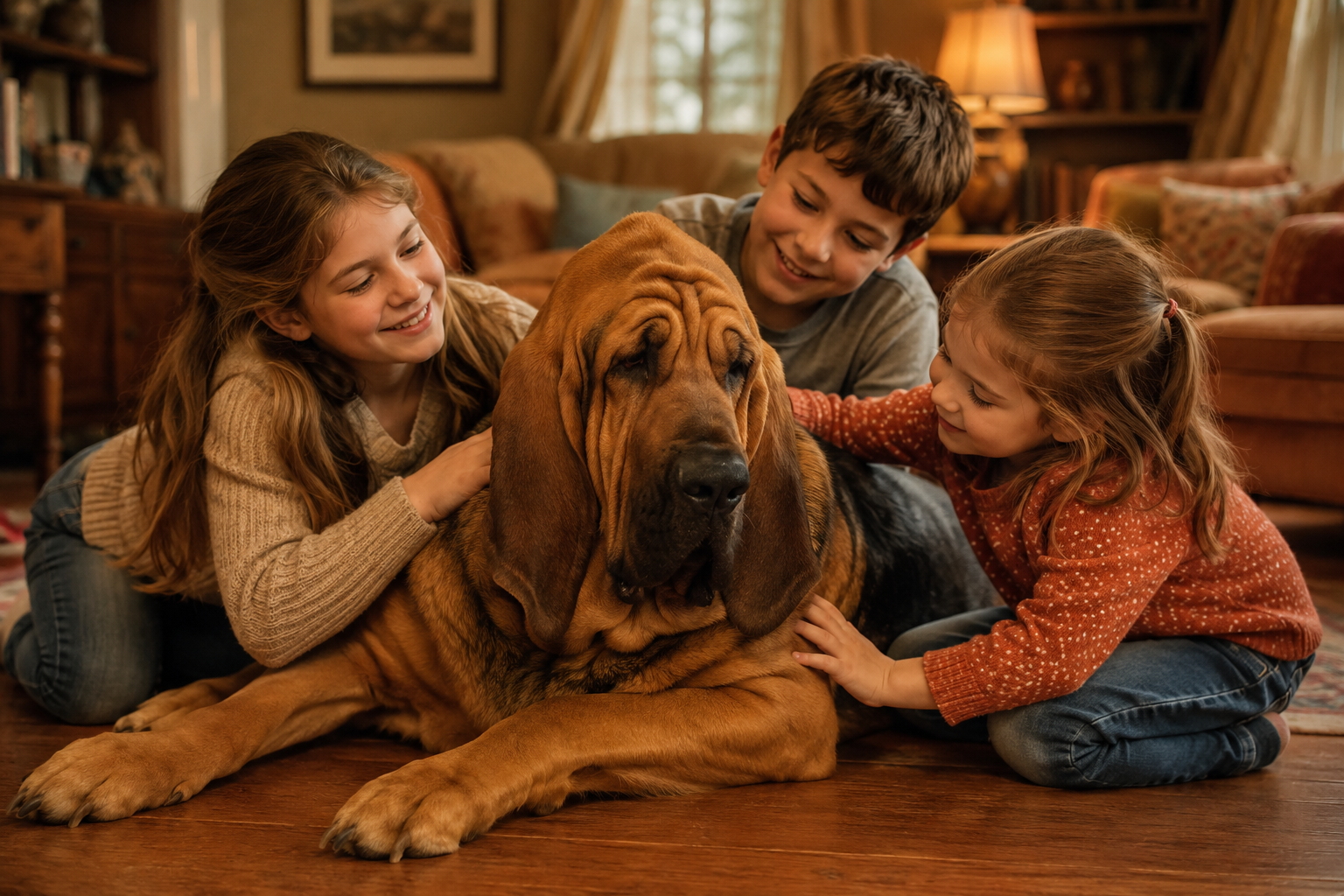
Bloodhounds are gentle, affectionate, and good-natured dogs. Despite their imposing size, they are known for being sweet-tempered and patient, especially with children. They form strong bonds with their families and thrive on human companionship.
However, their personality comes with some challenges:
- Stubbornness: Bloodhounds are independent thinkers. They were bred to follow a scent for miles without human direction, so they sometimes “forget” to listen.
- Sensitivity: These dogs respond poorly to harsh corrections. Positive, reward-based methods are essential for effective dog training.
- Vocal tendencies: Bloodhounds are known for their deep, melodious bays and howls. They are not quiet dogs.
- Mouthiness: As puppies, they explore the world with their mouths and may chew on furniture, shoes, or hands.
Breed-specific training is crucial for this breed. A Bloodhound needs an owner who understands scent-driven behavior and can channel that instinct productively. Whether you are a first-time dog owner or a seasoned canine enthusiast, patience and consistency are your best tools.
Are Bloodhounds Good Family Pets?
Yes, Bloodhounds can make excellent family pets for the right household. They are patient, loving, and typically gentle with children. Their tolerant nature means they usually handle the noise and chaos of a busy family home well.
Ideal family situation for a Bloodhound:
- A home with a securely fenced yard
- Active family members who can provide daily exercise
- Children old enough to understand how to interact respectfully with a large dog
- Owners who are home frequently, as Bloodhounds dislike being left alone
Potential challenges for families:
- Bloodhounds can knock over small children due to their size and enthusiasm
- They drool significantly, which some families find difficult to manage
- Their tracking instinct means they may wander off if they catch an interesting scent
If you are looking for a smaller breed that is also great with kids, you can explore the best small dogs for kids for alternatives.
Why Do Bloodhounds Have Long Ears?
Bloodhounds’ long ears serve a functional purpose beyond their distinctive appearance. Those drooping ears act like scent scoops, sweeping the ground and stirring up scent particles, directing them toward the dog’s powerful nose. This design enhances their already extraordinary tracking ability.
The ears also protect the inner ear from debris and irritants while the dog is tracking through brush and rough terrain. However, the length and weight of the ears reduce air circulation inside the ear canal, creating a warm, moist environment where bacteria and yeast thrive.
Ear care essentials:
- Check ears weekly for redness, odor, or discharge
- Clean ears with a veterinarian-approved solution
- Keep ears dry after swimming or bathing
- Watch for excessive head shaking or scratching
Regular preventive care for your Bloodhound’s ears prevents painful infections that can become chronic if left untreated.
Bloodhound Tracking Ability: How Accurate Is It?
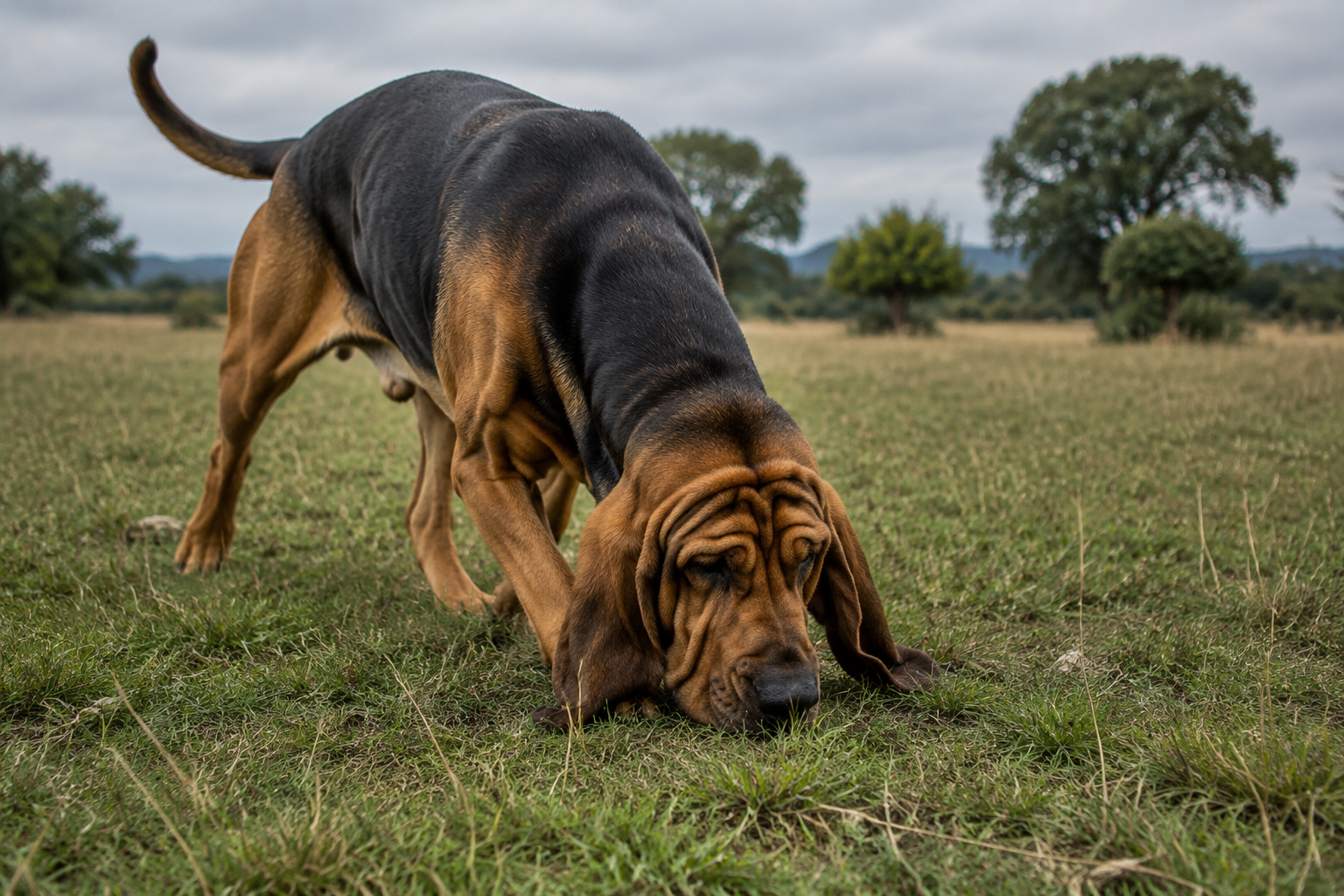
Bloodhounds are widely considered the most accurate tracking dogs in the world. Their scent-tracking evidence has been accepted in courts of law, and they can follow trails that are days old over distances of many miles.
A Bloodhound can distinguish individual human scent from other scents in the environment. They can follow a specific person’s trail through crowded areas, across water, and even through urban environments. Their accuracy comes from three key physical traits:
- Scent receptors: Approximately 300 million olfactory receptors
- Large nasal cavity: Provides extensive surface area for scent processing
- Wrinkled skin: Traps scent particles around the face
In real-world applications, Bloodhounds have been used to track fugitives, find missing persons, and locate lost children. In 2025, Bloodhounds were used in the search for fugitive Grant Hardin in Arkansas, demonstrating their value in law enforcement even when heavy rains complicated tracking efforts [2].
Bloodhound Training Difficulty
Bloodhounds are moderately difficult to train. They are intelligent dogs, but their independent nature and scent-driven instincts can make traditional obedience training challenging. A Bloodhound who catches an interesting scent may completely ignore commands.
Training tips for Bloodhounds:
- Start early: Begin training and socialization at 8-10 weeks of age
- Use positive reinforcement: Reward-based methods work best; harsh corrections cause these sensitive dogs to shut down
- Keep sessions short: 5-10 minute sessions are more effective than long drills
- Train indoors first: Minimize distractions before moving to outdoor environments
- Use high-value treats: Scent-driven dogs respond well to food rewards
Basic Commands to prioritize:
- Recall (come when called), the most critical command for a tracking breed
- Leave it, essential for preventing them from eating harmful items
- Loose-leash walking, a 100-pound pulling Bloodhound is unmanageable
- Settle, helps manage their excitement indoors
Consistency is key. Bloodhounds test boundaries, so rules must be enforced gently but firmly every time.
Common Bloodhound Health Problems and Lifespan
Bloodhounds typically live 10-12 years. Like many large breeds, they are prone to specific health issues that owners should monitor throughout their lives.
Common health problems:
| Condition | Description | Prevention |
|---|---|---|
| Hip and elbow dysplasia | Joint malformation causing pain and mobility issues | Buy from health-tested parents; maintain healthy weight |
| Gastric dilatation-volvulus (bloat) | Life-threatening stomach twisting | Feed smaller meals; avoid exercise after eating |
| Ear infections | Chronic bacterial or yeast infections | Clean ears weekly; keep dry |
| Entropion | Eyelids roll inward, irritating the eye | Surgical correction if severe |
| Hypothyroidism | Underactive thyroid causing weight gain and lethargy | Blood test and medication |
Preventive care schedule:
- Annual veterinary exams (twice yearly for senior dog care)
- Hip and elbow evaluations
- Regular dental cleanings
- Heartworm, flea, and tick prevention year-round
- Blood panel testing for thyroid function
Bloat is the most urgent concern. Know the signs: restlessness, drooling, swollen abdomen, and unproductive vomiting. If you suspect bloat, seek emergency veterinary care immediately. For more on feeding schedules, read about once-a-day dog feeding pros and cons.
Bloodhound Grooming Requirements
Bloodhounds have moderate grooming needs. Their short coat is relatively low-maintenance, but their wrinkles, ears, and eyes require regular attention.
Coat care:
- Brush weekly with a rubber hound glove or bristle brush
- Bathe every 4-6 weeks, or when they roll in something smelly
- Expect moderate shedding year-round, with heavier shedding in spring and fall
Wrinkle care:
- Clean facial wrinkles 2-3 times per week with a damp cloth
- Dry thoroughly to prevent skin infections
- Check for redness, odor, or irritation in skin folds
Additional grooming:
- Trim nails every 2-3 weeks
- Brush teeth 2-3 times per week
- Clean ears weekly
- Wipe eyes daily to prevent tear staining and buildup
Bloodhounds drool excessively, especially after eating or drinking. Keep cleaning cloths handy throughout your home.
Can Bloodhounds Live in Apartments?
Bloodhounds are not well-suited for apartment living. Their large size, exercise needs, and vocal tendencies make them better candidates for homes with securely fenced yards.
Why apartments are challenging for Bloodhounds:
- They need 1-2 hours of daily exercise
- Their deep, loud baying can disturb neighbors
- They benefit from having outdoor space to explore scents
- Their size makes navigating small spaces difficult
If you live in an apartment and want a dog, consider exploring the best hypoallergenic dogs for apartments or the best small dogs for apartments instead.
However, if you are committed to apartment living with a Bloodhound, it is possible with extra effort: multiple daily walks, access to a secure dog park, and training to manage vocalization.
Bloodhound vs Beagle and Other Scent Hound Breeds
Bloodhounds and Beagles are both scent hounds, but they differ significantly in size, purpose, and living requirements.
| Trait | Bloodhound | Beagle |
|---|---|---|
| Size | 80-110 pounds | 20-30 pounds |
| Scent ability | Most accurate of all breeds | Excellent, but less precise |
| Energy level | Moderate | High |
| Living space | Needs a yard | Can adapt to smaller homes |
| Trainability | Moderate (stubborn) | Moderate (easily distracted) |
| Drooling | Heavy | Minimal |
| Barking | Deep bay | Frequent baying and howling |
Other scent hound comparisons:
- Black and Tan Coonhound: Smaller and more agile than the Bloodhound, bred for raccoon hunting. Learn more about the Black and Tan Coonhound.
- Basset Hound: Shorter-legged but shares the droopy ears and wrinkled face; smaller and more apartment-friendly
- American Foxhound: Leaner and faster, bred for running; less wrinkled than the Bloodhound
Choose a Bloodhound if you want the ultimate tracking dog and have space. Choose a Beagle if you want a smaller, more adaptable scent hound.
How Much Does a Bloodhound Cost?
A Bloodhound puppy from a reputable breeder typically costs $700-$1,500. Show-quality or champion-line puppies can cost $2,000 or more. Adoption from a breed rescue is usually $300-$500.
Annual ownership costs:
- Food: $500-$700
- Veterinary care: $500-$1,000
- Grooming supplies: $100-$200
- Training classes: $100-$300
- Toys, beds, and accessories: $200-$400
Bloodhounds are not the most expensive breed, but their size means higher food and medical costs. For budget-conscious owners, explore the most affordable dog breeds to own and maintain.
When choosing a name for your new Bloodhound, try our Dog Name Generator to find the perfect match for your furry friend.
FAQ
Are Bloodhounds aggressive?
No. Bloodhounds are generally gentle and non-aggressive. They are more likely to greet a stranger with a wagging tail than with hostility. However, poor socialization or abuse can lead to fear-based aggression in any breed.
Do Bloodhounds shed a lot?
Bloodhounds shed moderately year-round with heavier shedding in spring and fall. Weekly brushing helps manage loose hair.
Can Bloodhounds be left alone?
Not for long periods. Bloodhounds are social dogs that form strong bonds with their families. Extended isolation can lead to anxiety, destructive behavior, and excessive howling.
How fast can a Bloodhound run?
Bloodhounds can reach speeds of 25-30 mph in short bursts, but they are endurance trackers rather than sprinters. They prefer a steady, methodical pace.
Do Bloodhounds get along with other pets?
Generally yes, especially if raised with them. However, their tracking instinct may cause them to chase small animals like cats or rabbits.
Are Bloodhounds good for first-time dog owners?
Bloodhounds can be challenging for first-time dog owners due to their size, stubbornness, and grooming needs. However, a committed first-time owner who invests in training can succeed with this breed.
How far can a Bloodhound track a scent?
Bloodhounds can follow trails that are 2-3 days old and cover distances of many miles, depending on weather conditions and terrain.
Conclusion
The Bloodhound is a remarkable breed that combines extraordinary tracking ability with a gentle, loving temperament. These dogs are best suited for owners who have space, patience, and a commitment to positive, breed-specific training. If you can manage their size, grooming needs, and independent streak, a Bloodhound will reward you with unwavering loyalty and affection.
Before bringing a Bloodhound home, research reputable breeders, prepare your home for a large dog, and invest in early training. Your furry friend will thrive with preventive care, consistent boundaries, and plenty of opportunities to use that incredible nose.
References
[1] Bloodhound K9 Max Bolsters Brevard County Sheriff’s Hunt for Wandering Dementia Patients – https://www.wftv.com/news/local/bloodhound-k9-max-bolsters-brevard-county-sheriffs-hunt-wandering-dementia-patients/AGGLQH7WFNHMJCPDHH6Q3TGVNM
[2] Devil in the Ozarks Manhunt: Bloodhounds Track Grant Hardin – https://www.cbsnews.com/news/devil-in-the-ozarks-manhunt-bloodhounds-grant-hardin