
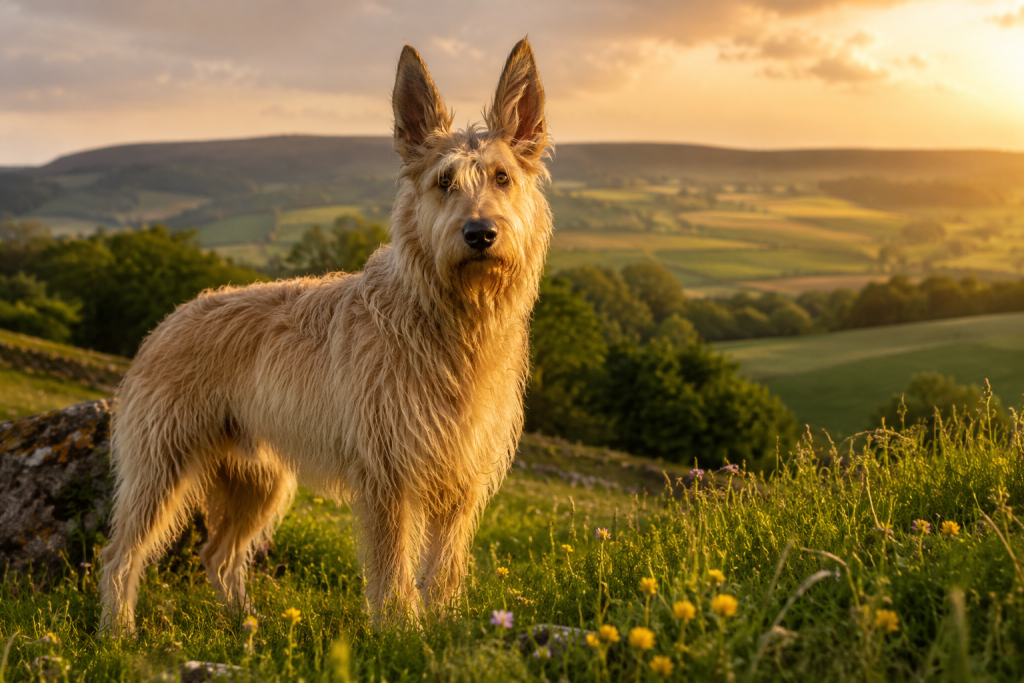
Quick Answer: The Berger Picard is a rare French herding dog with a distinctive shaggy, wiry coat, erect ears, and a loyal, intelligent temperament. Recognized by the American Kennel Club in the Herding Group, this breed weighs 50 to 70 pounds, lives 12 to 13 years, and thrives with active families who can meet its substantial daily exercise needs. [1]
Key Takeaways
- The Berger Picard is one of France’s oldest herding breeds, originating from the Picardy region, and remains rare worldwide [4]
- Males stand 23.5 to 25.5 inches tall; females range from 21.5 to 23.5 inches, placing them in the medium-to-large herding dog category [1]
- Expect to pay between $2,000 and $3,500 for a puppy from a reputable breeder due to the breed’s rarity
- Their wiry double coat needs only monthly brushing under normal conditions, making grooming surprisingly low-maintenance [2]
- Berger Picards need at least 1 to 2 hours of vigorous exercise daily and do not suit apartment living well
- They are good with children and families but benefit from early socialization and consistent positive reinforcement training [1]
- Common health concerns include hip dysplasia, progressive retinal atrophy, and ear infections due to their erect, open ear canal structure
- The Berger Picard differs from the Briard primarily in coat texture, size, and temperament style
What Exactly Is a Berger Picard Dog Breed?
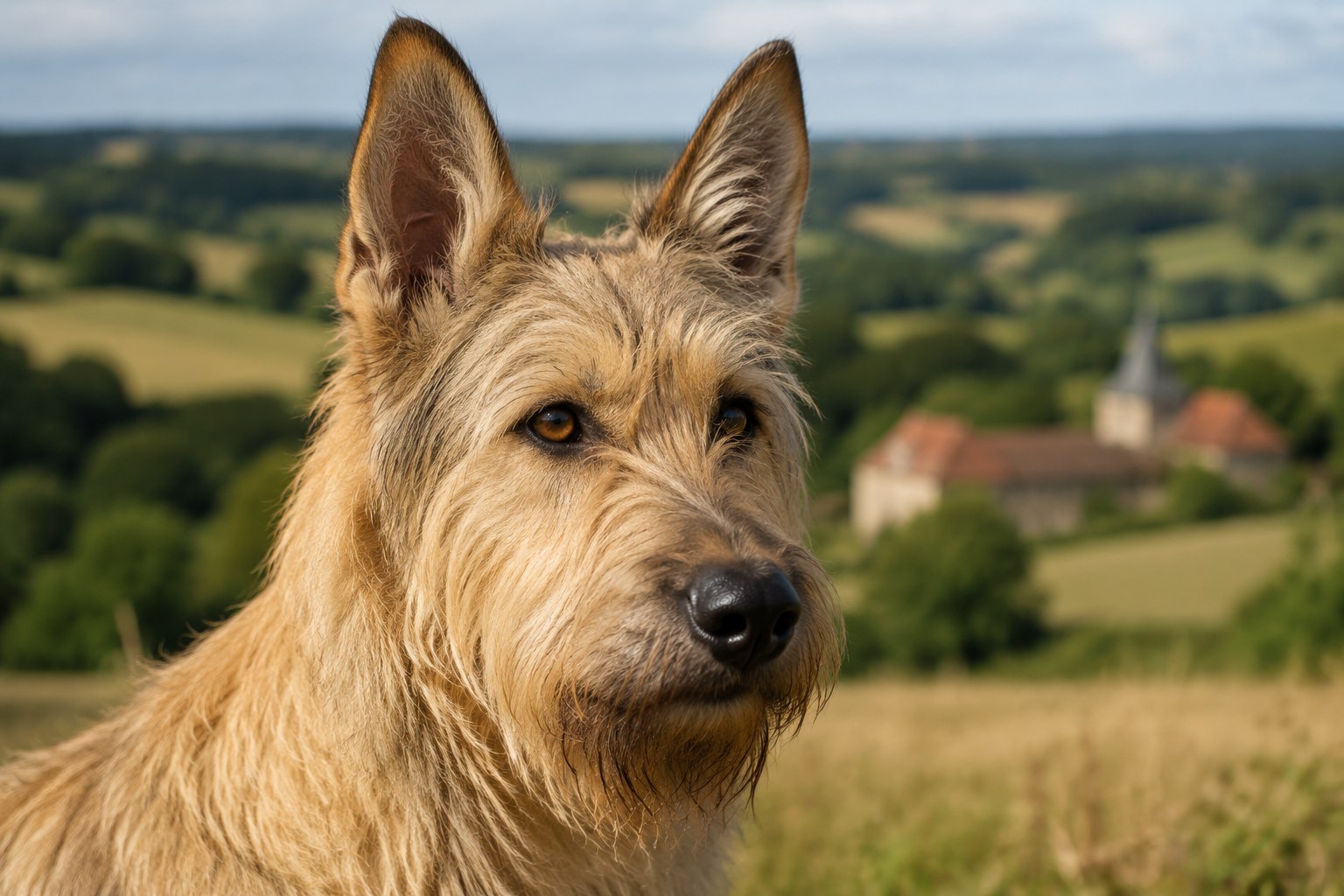
The Berger Picard (pronounced “bare-ZHAY pee-CAR”) is an ancient French herding dog classified in the AKC Herding Group. It is considered one of the oldest sheepdog breeds in France, with roots tracing back to the Picardy region in northern France. [4]
Despite its long history, the breed nearly disappeared after both World Wars devastated France’s rural farming communities. Dedicated breeders worked to revive it, and today the Berger Picard is slowly gaining recognition outside Europe. The breed gained a notable boost in the United States after appearing in films including “Because of Winn-Dixie” and “Are We Done Yet?” [2]
Key breed facts at a glance:
- Origin: Picardy region, northern France
- AKC Group: Herding
- Coat: Shaggy, wiry, weather-resistant double coat
- Colors: Fawn, brindle, and gray
- Ears: Naturally erect, high-set
- Roles: Herding, companionship, diabetic alert work [3]
How Big Do Berger Picards Get Compared to Other Herding Dogs?
Berger Picards are medium-to-large dogs. Males typically stand 23.5 to 25.5 inches at the shoulder and weigh between 50 and 70 pounds. Females are slightly smaller at 21.5 to 23.5 inches. [1]
Compared to other herding breeds, the Berger Picard sits comfortably between a Border Collie (around 30 to 55 pounds) and a Belgian Malinois (around 40 to 80 pounds). They are leaner and more athletic-looking than the heavier Briard but share a similar rustic, working-dog build.
| Breed | Height (Male) | Weight Range |
|---|---|---|
| Berger Picard | 23.5 – 25.5 in | 50 – 70 lbs |
| Belgian Malinois | 24 – 26 in | 40 – 80 lbs |
| Border Collie | 19 – 22 in | 30 – 55 lbs |
| Briard | 23 – 27 in | 55 – 100 lbs |
| German Shepherd | 24 – 26 in | 65 – 90 lbs |
How Much Does a Berger Picard Puppy Cost?
Because the Berger Picard is a rare breed, puppies typically cost between $2,000 and $3,500 from a reputable breeder in the United States. Import costs from European breeders can push that figure even higher.
The Berger Picard Club of America maintains a breeder referral list, which is the safest starting point for finding a responsible breeder. Avoid pet stores and unverified online listings, as the breed’s rarity makes it a target for irresponsible breeding operations.
Budget beyond the purchase price:
- Initial vet visits and vaccinations: $300 to $500
- Spay or neuter: $200 to $500
- Quality food (annual): $600 to $900
- Training classes: $150 to $400
- Grooming tools and occasional professional grooming: $100 to $300 per year
What Health Problems Do Berger Picards Commonly Have?
Berger Picards are generally a healthy breed with a life expectancy of 12 to 13 years, but like all purebreds, they carry some breed-specific health risks. [1]
Common health concerns include:
- Hip dysplasia: A genetic condition affecting the hip joint, common in medium-to-large herding breeds. Ask breeders for OFA (Orthopedic Foundation for Animals) hip certifications.
- Progressive Retinal Atrophy (PRA): A degenerative eye condition that can lead to blindness. Reputable breeders test for this.
- Ear infections: The Berger Picard’s erect, open ear canal allows debris and moisture to enter more easily than in floppy-eared breeds, raising infection risk (see next section for detail).
Preventive care is your best tool here. Regular vet checkups, a quality diet, and maintaining a healthy weight go a long way toward keeping your furry friend thriving well into their senior years.
Why Do Berger Picards Have Trouble With Ear Infections?
Berger Picards have naturally erect, wide-set ears that sit open to the environment. While this gives them their signature alert expression, it also means dirt, grass seeds, water, and other debris can enter the ear canal more easily than in breeds with folded ears.
Signs of an ear infection to watch for:
- Frequent head shaking or scratching at the ear
- Redness or swelling inside the ear flap
- Unusual odor from the ear
- Dark discharge or visible debris
Preventive care steps:
- Check and gently clean ears weekly using a vet-approved ear cleaner
- Dry ears thoroughly after swimming or bathing
- Schedule a vet exam at the first sign of discomfort
If you ever notice skin irritation around the ear area, check out guidance on safe topical treatments for dogs before applying anything at home. Always confirm with your vet first.
Are Berger Picards Good for Families With Small Children?
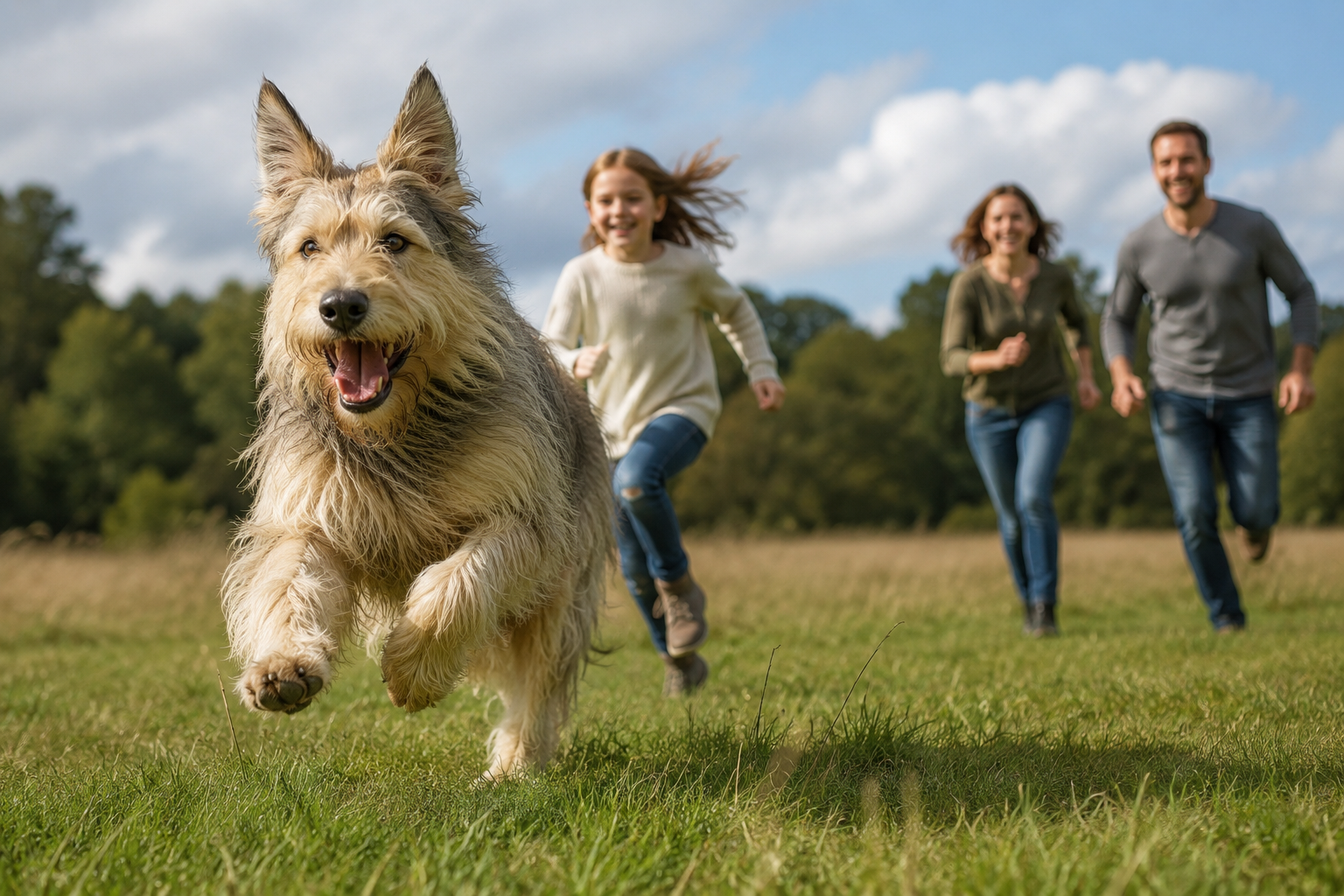
Yes, Berger Picards are generally good family dogs, including with children, when properly socialized from puppyhood. They are loyal, observant, and good-natured, forming strong bonds with their family group. [1]
That said, their herding instinct can lead them to nip at or “herd” young children by nudging them. This behavior is manageable with consistent breed-specific training and early socialization.
Choose a Berger Picard for your family if:
- Your children are school-age or older and understand how to interact respectfully with dogs
- Your family is active and outdoors-oriented
- You have time for daily training and exercise
Consider alternatives if:
- You have toddlers and limited time for training
- Your household is calm and low-energy
- No one in the home has prior experience with herding breeds
For families looking at smaller, gentler options for very young children, our guide to best small dogs for kids may also be worth a read.
Can Berger Picards Live in Apartments or Do They Need a Lot of Space?
Berger Picards are not well-suited for apartment living. They are working dogs with high energy and significant stamina, and they need space to move, explore, and burn off mental and physical energy. [1]
A home with a securely fenced yard is strongly preferred. Without adequate space and exercise, a Berger Picard can become bored, anxious, and destructive. This is a breed that thrives when it has a job to do.
Bottom line: If you live in an apartment, this breed will likely struggle unless you commit to multiple long daily outings, off-leash park time, and structured mental enrichment every single day. Even then, it’s a challenging fit.
How Much Exercise Does a Berger Picard Need Every Day?
A Berger Picard needs at least 1 to 2 hours of vigorous exercise daily. This is not a breed that does well with a short walk around the block. They have the stamina and drive of a working herding dog, built for long days in the field. [1]
Good exercise options for this breed:
- Long hikes or trail runs
- Off-leash play in a securely fenced area
- Agility training and obstacle courses
- Fetch, frisbee, and other high-intensity games
- Herding trials if available in your area
Mental stimulation matters just as much as physical exercise. Puzzle feeders, obedience training sessions, and scent work all help keep your canine companion satisfied and calm at home.
Are Berger Picards Hard to Train for First-Time Dog Owners?
Berger Picards are intelligent and eager to please, which makes them capable learners. However, they can also show a stubborn streak, which means a first-time dog owner may find them moderately challenging without proper guidance. [2]
Training tips that work well for this breed:
- Positive reinforcement: Reward-based training with treats and praise is far more effective than correction-based methods.
- Consistency: Establish clear rules from day one and stick to them.
- Early socialization: Expose your Berger Picard puppy to a wide range of people, animals, and environments before 16 weeks of age.
- Short sessions: Keep training sessions to 10 to 15 minutes to hold their attention.
- Basic Commands: Start with sit, stay, come, and leave it before moving to advanced skills.
If you’re a first-time dog owner, enrolling in a structured obedience class is highly recommended. The investment pays off quickly with this breed. For comparison, you might also explore how other working breeds like German Shepherds approach training.
What’s the Difference Between a Berger Picard and a Briard?
The Berger Picard and the Briard are both ancient French herding dogs, but they differ in several meaningful ways. The Briard is larger (up to 100 pounds), has a longer, flowing double coat that requires significantly more grooming, and tends to be more protective and territorial. The Berger Picard is leaner, has a shorter wiry coat, and is generally considered more adaptable in temperament.
| Feature | Berger Picard | Briard |
|---|---|---|
| Weight | 50 – 70 lbs | 55 – 100 lbs |
| Coat | Short, wiry, shaggy | Long, wavy, flowing |
| Grooming | Monthly brushing | Frequent brushing |
| Temperament | Loyal, observant | Protective, devoted |
| Trainability | Moderate | Moderate |
Both breeds are rare outside France. If you’re drawn to French dog breeds in general, the Barbet is another excellent option worth researching, as covered in our Barbet breed guide.
What Are Some Good Alternatives to Berger Picards for French Herding Dogs?
If the Berger Picard’s rarity or cost is a barrier, several related breeds offer similar qualities. The best alternatives depend on what you value most.
- Briard: More protective, larger, higher grooming needs, but deeply loyal
- Barbet: Gentler, more water-loving, easier to find in some regions
- Belgian Malinois: Highly trainable and athletic, though more intense in drive (see our Belgian Malinois vs. German Shepherd comparison for more context)
- Beauceron: Larger and more powerful, excellent for experienced handlers
Choose the Berger Picard if you want a medium-sized, lower-grooming French herding dog with a warm family temperament. Choose the Briard if you want a more imposing guardian dog. Choose the Belgian Malinois if high-drive working performance is the priority.
How Long Do Berger Picards Typically Live?
Berger Picards have a life expectancy of 12 to 13 years, which is solid for a medium-to-large breed. [1] With attentive preventive care, a quality diet, regular exercise, and routine veterinary checkups, many Berger Picards reach the higher end of that range.
Senior dog care becomes important around age 8 to 9. Watch for changes in mobility, appetite, and energy levels. Your vet may recommend joint supplements, dietary adjustments, or modified exercise routines as your dog ages.
What Kind of Diet Works Best for Berger Picard Dogs?
A high-quality, protein-rich diet formulated for medium-to-large active breeds works best for the Berger Picard. Because they are working dogs with high energy output, they benefit from food with real meat as the first ingredient and a balanced ratio of fats and carbohydrates.
Feeding guidelines:
- Puppies (under 12 months): Feed a large-breed puppy formula to support controlled bone growth
- Adults: Two measured meals per day; adjust portions based on activity level
- Seniors: Transition to a senior formula with joint support ingredients around age 8
Avoid overfeeding. Even active breeds can become overweight if portions aren’t monitored, and excess weight accelerates hip and joint problems. Fresh water should always be available.
Frequently Asked Questions About the Berger Picard
Is the Berger Picard a good dog for first-time owners?
The Berger Picard can work for a first-time dog owner who is committed, active, and willing to invest in training classes. Their intelligence helps, but their stubborn streak means inconsistent handling leads to bad habits quickly. [2]
Do Berger Picards shed a lot?
Berger Picards shed moderately. Their wiry double coat does not mat easily, and monthly brushing handles most of the year. Shedding increases seasonally, so brush more frequently during those periods. [2]
Are Berger Picards aggressive?
No, Berger Picards are not aggressive by nature. They are loyal and observant, and they may be reserved with strangers, but aggression is not a breed trait. Early socialization prevents shyness from becoming a problem. [1]
How rare is the Berger Picard?
Very rare. The breed nearly went extinct after World War II and remains uncommon both in France and internationally. Expect waitlists with reputable breeders. [4]
Can Berger Picards be left alone during the day?
Not for long periods. This breed bonds closely with its family and can develop separation anxiety or destructive behavior if left alone for more than four to five hours regularly. A dog walker or doggy daycare can help.
Do Berger Picards get along with other dogs?
Generally yes, especially when socialized early. Their herding instinct may cause them to try to “manage” smaller dogs, but with proper introductions they typically coexist well.
What is the Berger Picard’s grooming schedule?
Monthly brushing suffices for most of the year. Increase to weekly during shedding seasons. Bathe only when needed, as over-bathing strips the coat’s natural weather resistance. [2]
Has the Berger Picard appeared in movies?
Yes. The breed gained American recognition after appearing in “Because of Winn-Dixie,” “Daniel and the Superdogs,” and “Are We Done Yet?” [2]
Can Berger Picards do agility or dog sports?
Absolutely. They excel at agility, herding trials, obedience competitions, and scent work. Structured dog sports are an excellent outlet for their energy and intelligence.
What is a good name for a Berger Picard?
French-inspired names suit this breed well given its heritage. Tools like a Dog Name Generator can help you find the perfect fit based on your dog’s personality and appearance.
Conclusion
The Berger Picard is a remarkable canine companion: rare, loyal, athletic, and deeply connected to its family. For the right owner, this breed offers years of rewarding partnership. For the wrong fit, its energy and independence can become a daily challenge.
Your actionable next steps:
- Research breeders carefully. Contact the Berger Picard Club of America for a verified breeder referral. Never purchase from a pet store or unverified online listing.
- Prepare your home. Secure your yard, invest in quality exercise equipment, and set up a feeding and training routine before your puppy arrives.
- Enroll in training early. Book a puppy obedience class before your dog even comes home. Positive, effective dog training from day one makes a lifelong difference.
- Schedule a vet relationship. Find a vet experienced with herding breeds and set up a preventive care schedule covering hip evaluations, eye exams, and ear health monitoring.
- Commit to the lifestyle. If you’re active, patient, and ready to treat your dog as a true family member, the Berger Picard will reward you with unwavering loyalty and endless energy for adventure.
Whether you’re a first-time dog owner or a seasoned canine enthusiast, this breed deserves serious research before commitment. But for those who match its needs, few dogs are more devoted or more fascinating.
References
[1] Berger Picard – https://www.akc.org/dog-breeds/berger-picard
[2] Fun Facts Berger Picard – https://www.akc.org/expert-advice/lifestyle/fun-facts-berger-picard
[3] Berger Picard Loupy – https://www.akc.org/expert-advice/news/berger-picard-loupy
[4] Berger Picard History – https://www.akc.org/expert-advice/dog-breeds/berger-picard-history