

Quick Answer: The best dog breeds for seniors are calm, low-maintenance companions that fit comfortably into a quieter lifestyle. Top picks include the Cavalier King Charles Spaniel, Shih Tzu, Maltese, Toy Poodle, Basset Hound, French Bulldog, and Greyhound. These breeds need minimal exercise, adapt well to smaller homes, and provide genuine emotional comfort without overwhelming their owners.
Key Takeaways
- Low-energy dogs like the Shih Tzu, Maltese, and French Bulldog thrive in apartments and smaller homes, making them ideal for retirees.
- Most senior-friendly breeds need only 20 to 30 minutes of daily exercise, such as a short walk or gentle indoor play.
- Toy Poodles and Maltese are low-shedding options that work well for seniors with allergies or limited grooming ability.
- Rescue dogs can be an excellent and affordable option for older adults, especially adult or senior dogs already past the demanding puppy stage.
- The average adoption fee from a shelter ranges from $50 to $300, significantly less than purchasing from a breeder.
- Dogs provide measurable health benefits for seniors, including lower blood pressure, reduced loneliness, and increased daily movement.
- Seniors with arthritis should prioritize lightweight breeds (under 20 lbs) that are easy to handle, lift, and leash.
- Breed-specific training for seniors works best with positive reinforcement methods, short sessions, and patient consistency.

What Are the Best Dog Breeds for Seniors With Limited Mobility?
Small, low-energy dogs are the most practical choice for older adults with limited mobility. Breeds that weigh under 20 pounds are easier to manage on a leash, lift when needed, and care for daily without physical strain.
Here are the top 7 low-energy dog breeds for seniors and retirees:
1. Cavalier King Charles Spaniel
Weighing 13 to 18 pounds, the Cavalier is gentle, affectionate, and perfectly content with short daily walks and long cuddle sessions. They adapt easily to both houses and apartments, and their calm temperament makes them one of the most recommended canine companions for older adults [1].
2. Shih Tzu
Originally bred as palace companion dogs in China, Shih Tzus are low-energy, gentle, and deeply affectionate. They are natural lap dogs who ask for little more than your company. Regular grooming is required due to their long double coat, but their loving personality more than rewards the effort [2].
3. Maltese
Weighing under 7 pounds, the Maltese is one of the lightest and most manageable breeds available. They are low-shedding, devoted, and adapt easily to small living spaces. For seniors with allergies, the Maltese is a particularly smart choice [1]. You can explore more small dog breeds to compare similar options.
4. Toy or Miniature Poodle
Poodles are highly intelligent, low-shedding, and easy to train, which makes them well-suited for first-time dog owners at any age. Their friendly, adaptable nature means they match their energy level to yours [3].
5. Basset Hound
Droopy ears, a relaxed personality, and a genuine love of lounging make the Basset Hound a natural fit for seniors seeking a calm furry friend. Short daily walks are enough to keep them healthy and happy [4].
6. French Bulldog
Compact, sturdy, and affectionate, French Bulldogs are low-maintenance companions that thrive in apartment settings. They require minimal exercise and are known for being entertaining without being exhausting [5]. For apartment-specific guidance, see our guide on the best small dogs for apartments.
7. Greyhound
Despite their racing history, Greyhounds are surprisingly calm indoors. They are gentle, quiet, and content with a moderate daily walk, making them one of the best-kept secrets among low-energy dog breeds for older adults [6].
How Much Exercise Do Senior-Friendly Dog Breeds Need Daily?
Most low-energy breeds recommended for seniors need between 20 and 30 minutes of exercise per day. This can be split into two short walks rather than one long outing, which is much easier on both the dog and the owner.
- Cavalier King Charles Spaniel: 20 to 30 minutes daily
- Shih Tzu: 20 minutes daily
- Maltese: 20 minutes daily
- Toy Poodle: 20 to 30 minutes daily
- Basset Hound: 20 to 30 minutes daily
- French Bulldog: 15 to 20 minutes daily (they overheat easily)
- Greyhound: 30 minutes daily, but calm indoors the rest of the day [6]
Choose a French Bulldog if you have very limited mobility and need the lowest-exercise option. Choose a Greyhound if you want a slightly larger dog but still prefer a calm, quiet housemate.
Which Dog Breeds Are Quietest and Least Disruptive?
Greyhounds, Basset Hounds, and Shih Tzus are among the quietest breeds, which matters greatly for seniors living in apartments or communities with noise restrictions.
French Bulldogs and Cavaliers are also relatively quiet, though they may bark occasionally when excited. If a quiet home environment is a priority for you, check out our dedicated resource on quietest small dog breeds for a deeper comparison.
What Breeds Are Best for Seniors With Arthritis?
For seniors managing arthritis, the priority is a lightweight dog that does not pull hard on the leash, does not require bending or heavy lifting frequently, and is content with gentle, low-impact activity.
Best picks for arthritis sufferers:
- Maltese (under 7 lbs): Easy to lift, carry, and handle
- Shih Tzu (9 to 16 lbs): Calm, manageable, rarely pulls on a leash
- Toy Poodle (4 to 6 lbs): Lightweight and highly responsive to gentle training
- French Bulldog (20 to 28 lbs): Slightly heavier but low-energy and rarely pulls
Avoid large or high-energy breeds that can pull unexpectedly and cause falls or joint strain.
Can Apartment Seniors Handle Medium-Sized Dogs?
Yes, apartment seniors can manage medium-sized dogs, provided the breed has a low-energy temperament and does not require extensive outdoor time. The Greyhound is a good example: despite being a larger dog, they are calm indoors and do not need a yard [6].
French Bulldogs, while compact, also fall into a manageable medium-small category for apartment living. The key factors are temperament and energy level, not size alone. For more options, browse our guide on best hypoallergenic dogs for apartments.
Medical Benefits of Dogs for Seniors
Dogs provide real, documented health benefits for older adults. Companion animals have been associated with lower blood pressure, reduced feelings of loneliness, and improved daily physical activity through regular walks.
Key benefits include:
- Reduced isolation: Dogs provide consistent companionship, which is especially valuable for seniors living alone.
- Increased movement: Even a short daily walk supports cardiovascular health and joint mobility.
- Lower stress: Petting a dog has been shown to reduce cortisol levels and promote a sense of calm.
- Routine and purpose: Caring for a furry friend provides daily structure, which supports mental health.
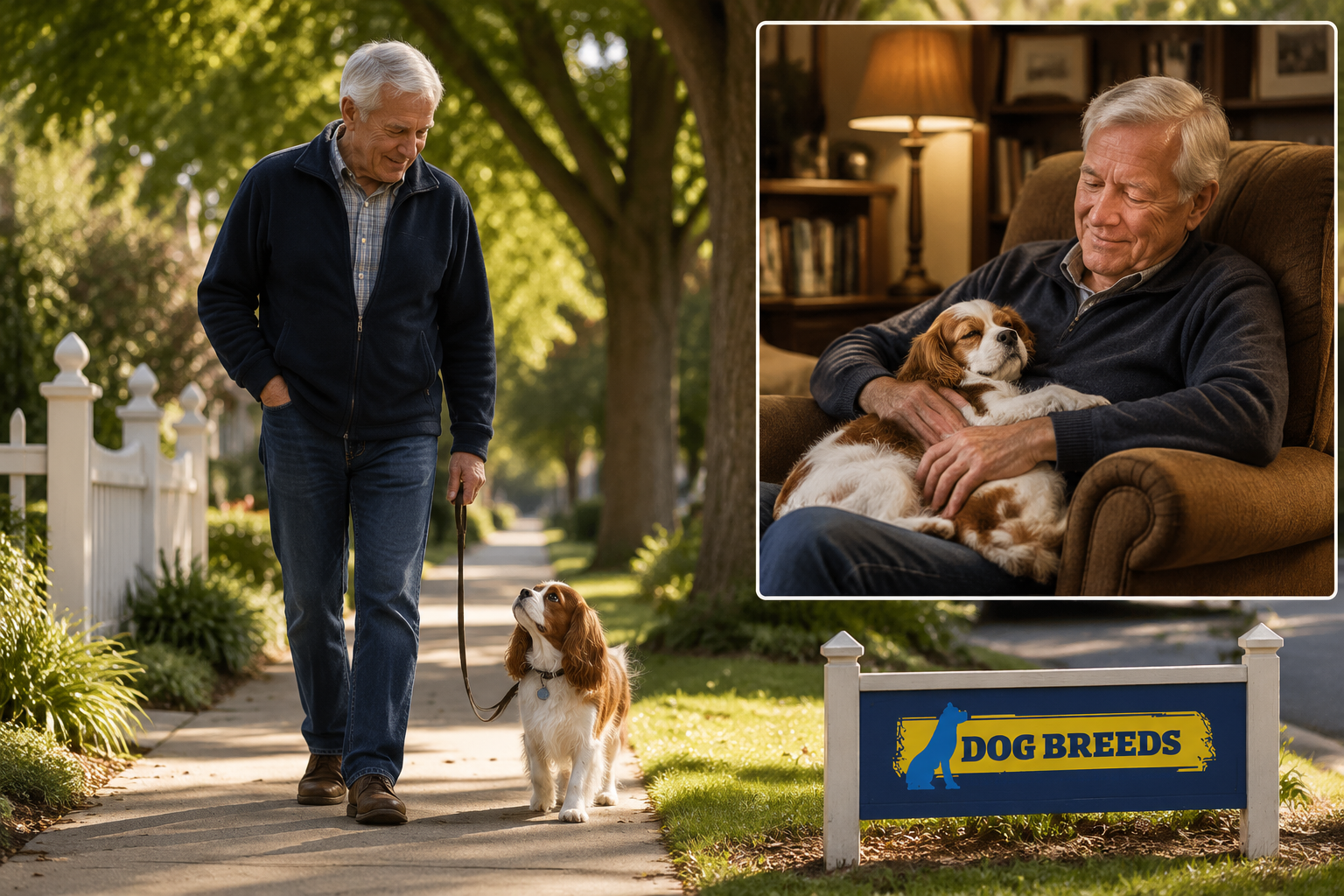
For seniors living alone, a calm canine companion can be one of the most meaningful additions to daily life.
Which Dogs Are Best for Seniors Living Alone?
Cavalier King Charles Spaniels, Shih Tzus, and Toy Poodles are particularly well-suited for seniors who live alone. These breeds bond closely with their primary person, are naturally alert to changes in the household, and provide steady emotional companionship throughout the day [1][3].
Toy Poodles are also among the most intelligent small dog breeds, which means they respond quickly to routine and are easy to manage independently.
Are Rescue Dogs Good for Older Owners?
Adult and senior rescue dogs are often an excellent match for older owners. Unlike puppies, they have already passed the high-energy, destructive chewing phase. Many rescue dogs are already house-trained and have established, predictable temperaments.
Adoption costs typically range from $50 to $300 at most shelters, compared to $800 to $3,000 or more from breeders, depending on the breed. This makes rescue adoption a financially practical option for retirees on a fixed income.
What to look for when adopting:
- Ask shelter staff about the dog’s energy level and daily routine
- Request a meet-and-greet before committing
- Choose a dog that is already calm around adults and comfortable being handled
Training Tips for Older Adults Getting Their First Dog
Positive, effective dog training does not require physical strength or hours of daily effort. Short, consistent sessions of 5 to 10 minutes work better than long, exhausting ones, especially for first-time dog owners.
Basic Commands to start with:
- Sit
- Stay
- Come
- Leave it
Preventive Care habits to build early:
- Establish a consistent feeding schedule (see our guide on once-a-day dog feeding pros and cons for helpful context)
- Schedule regular vet check-ups from the start
- Use a harness instead of a collar for small dogs to reduce neck strain on both dog and owner
Breed-specific training resources can help you tailor your approach. Toy Poodles and Cavaliers respond especially well to reward-based methods, making them ideal for seniors who prefer a gentle, low-frustration training experience.
Dog Breeds That Don’t Shed a Lot
Low-shedding breeds reduce the burden of cleaning and are better for seniors with allergies or respiratory sensitivities.
| Breed | Shedding Level | Weight Range |
|---|---|---|
| Maltese | Very low | Under 7 lbs |
| Toy Poodle | Very low | 4 to 6 lbs |
| Shih Tzu | Low | 9 to 16 lbs |
| French Bulldog | Moderate | 20 to 28 lbs |
| Cavalier King Charles | Moderate | 13 to 18 lbs |
| Basset Hound | Moderate to high | 40 to 65 lbs |
| Greyhound | Low | 60 to 70 lbs |
If shedding is a major concern, the Maltese and Toy Poodle are the strongest choices. For a broader look at fluffy, low-maintenance options, our guide to cutest small fluffy dog breeds is worth a read.
How Much Does Dog Care Cost for Retired People?
Dog ownership costs for retirees typically fall between $1,000 and $3,000 per year, depending on the breed, health status, and location. Smaller breeds generally cost less to feed and medicate than larger ones.
Estimated annual costs:
- Food: $200 to $600
- Veterinary care (routine): $300 to $700
- Grooming: $100 to $500 (higher for Shih Tzus and Poodles)
- Supplies and toys: $100 to $200
- Pet insurance (optional): $200 to $600
Health Issues to Watch For in Senior-Friendly Breeds:
- Cavalier King Charles Spaniel: Heart conditions (mitral valve disease is common in older dogs)
- Shih Tzu: Eye and breathing issues due to their flat face
- Basset Hound: Joint and ear problems
- French Bulldog: Breathing difficulties (brachycephalic syndrome), heat sensitivity
- Greyhound: Dental disease and sensitivity to anesthesia
Preventive care, including annual vet visits and dental cleanings, is the most cost-effective way to manage long-term health expenses.
Once you’ve chosen your new furry friend, don’t forget the fun part of picking the perfect name. Our Dog Name Generator is a great tool for seasoned canine enthusiasts and first-time dog owners alike.
Frequently Asked Questions
What is the number one dog breed recommended for seniors?
The Cavalier King Charles Spaniel is consistently ranked as one of the top choices for seniors due to its gentle temperament, manageable size, and low exercise needs [1].
What small dogs are easiest for older people to manage?
The Maltese and Toy Poodle are the easiest to manage physically, both weighing under 7 pounds. They are low-shedding, easy to train, and content with minimal exercise [1][3].
Are Greyhounds really low-energy despite being racing dogs?
Yes. Greyhounds are known as “45-mph couch potatoes.” They sprint in short bursts but are calm and quiet indoors, needing only about 30 minutes of daily walking [6].
Can a senior with arthritis safely own a dog?
Yes, with the right breed. Lightweight dogs under 15 pounds, such as the Maltese or Toy Poodle, are easiest to handle for seniors with joint pain or limited grip strength.
Is it better to adopt a puppy or an adult dog as a senior?
An adult or senior rescue dog is usually the better choice. They are calmer, already house-trained, and far less demanding than puppies, which suits most retirees’ lifestyles well.
How do I know if a rescue dog is right for me?
Ask the shelter about the dog’s energy level, history with adults, and daily routine. A meet-and-greet before adoption is essential to see how the dog responds to you personally.
Do French Bulldogs do well in hot climates?
French Bulldogs struggle in heat due to their flat faces. Seniors in warmer regions should keep them in air-conditioned spaces and avoid outdoor activity during peak heat hours.
What is the cheapest low-energy breed to care for annually?
The Maltese and Shih Tzu tend to have lower food costs due to their small size, though grooming expenses can add up. Overall, the Maltese is among the most affordable small breeds to maintain.
Are Poodles good for seniors who have never owned a dog before?
Absolutely. Toy Poodles are one of the best breeds for first-time dog owners of any age. They are highly trainable, low-shedding, and adapt well to their owner’s pace [3].
How long do these low-energy breeds typically live?
Most small breeds on this list live 12 to 16 years. Cavaliers average 9 to 14 years due to heart health concerns, while Maltese and Toy Poodles often reach 14 to 16 years with good preventive care.
Conclusion
Choosing the right canine companion is one of the most rewarding decisions a retiree can make. The best dog breeds for seniors share a few key traits: calm temperament, manageable size, low exercise needs, and a genuine desire for human connection. Whether you are drawn to the silky affection of a Shih Tzu, the featherlight devotion of a Maltese, or the surprising serenity of a Greyhound, there is a perfect match for your lifestyle.
Your next steps:
- Identify your top priorities: shedding, size, noise level, or grooming needs.
- Visit a local shelter and ask specifically for adult or senior dogs with calm temperaments.
- Schedule a meet-and-greet before committing to any dog.
- Set up a vet appointment within the first week of bringing your new furry friend home.
- Start with basic commands using short, positive training sessions from day one.
The right dog does not just fill your home with warmth. It gives you a reason to move, a reason to connect, and a loyal companion for every quiet afternoon ahead.
References
[1] The Best Dog Breeds For Older Adults – https://www.sunriseseniorliving.com/resources/tips-for-seniors/the-best-dog-breeds-for-older-adults
[2] What Dog Breed Is Best For Seniors – https://www.petscare.com/ie/news/faq/what-dog-breed-is-best-for-seniors
[3] Best Dogs For Seniors – https://spotpet.com/blog/lifestyle/best-dogs-for-seniors
[4] Articles – https://www.petworks.com/articles/
[5] Low Energy Dog Breeds – https://manypets.com/us/blog/low-energy-dog-breeds/
[6] Best Dog Breeds For Seniors – https://www.breedspective.com/best-dog-breeds-for-seniors/
[7] Best Dog Breeds For Seniors – https://puppysimply.com/best-dog-breeds-for-seniors/